Every day, we make countless decisions, from what to eat for breakfast to more complex choices about relationships and finances. Interestingly, the methods by which we arrive at these decisions can vary widely, often without our conscious awareness.
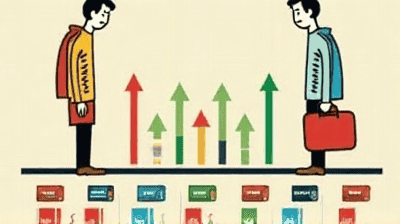
In our daily lives, the choices we make are influenced by a myriad of factors, many of which we may not even be aware of. From the foods we choose to eat, to the way we save for retirement, our decision-making processes are often shaped by subtle cues in our environment.
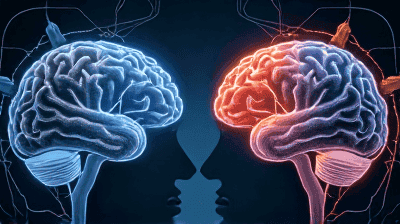
In today’s interconnected world, it is increasingly clear that our behaviors, thoughts, and feelings can be influenced not only by our immediate environment but also by the people around us.
In recent years, the rise of social media has transformed the way we communicate, share information, and make decisions. While these platforms promote connectivity and collaboration, they can also foster negative group dynamics, such as groupthink.
Have you ever found yourself in a group project where one or more members seemed to contribute significantly less than others? Perhaps you've noticed a pattern of behavior where individuals put forth minimal effort when working as part of a larger team compared to when they are on their own.